Tips for Facilitating Meaningful Conversations
Engaging in meaningful conversations can foster community connections and enhance personal relationships. This article explores practical tips to facilitate discussions that are both insightful and impactful, suitable for various social settings.
Understanding the Importance of Meaningful Conversations
According to research from the American Psychological Association, meaningful conversations can lead to improved mental well-being and stronger social ties. This works because engaging discussions often encourage empathy and understanding between participants. Experts recommend fostering environments where open dialogue can thrive.
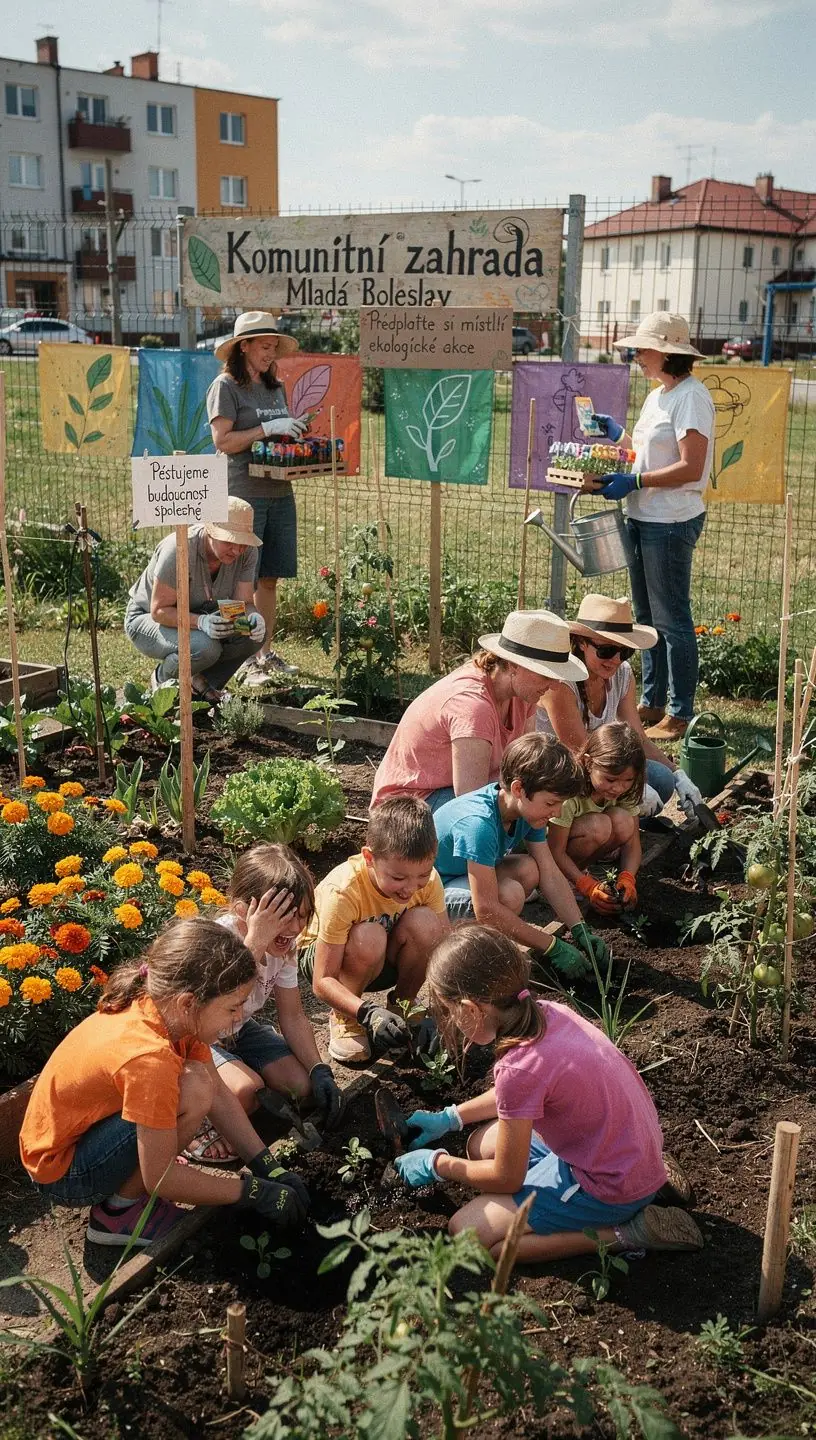
"Conversations that matter can lead to personal growth and stronger communities."
Tips for Facilitating Engaging Discussions
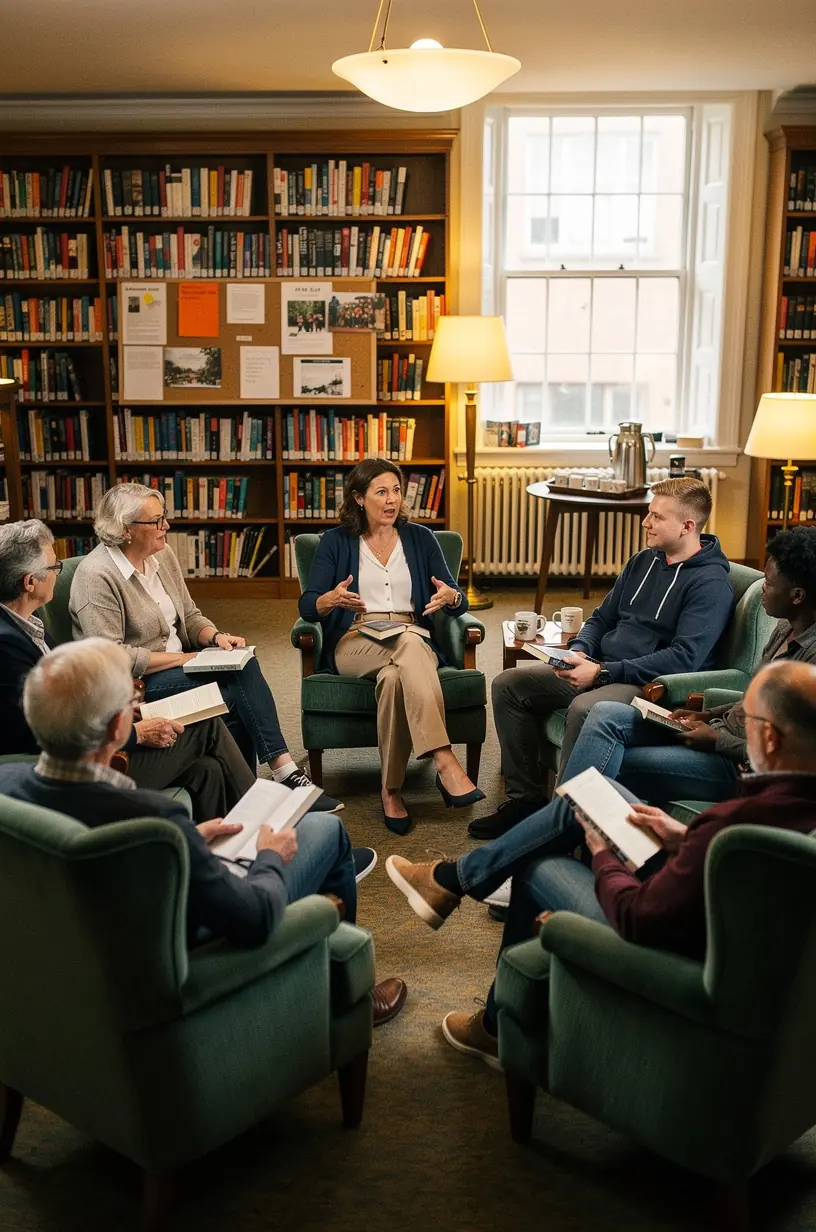
- Establish a Comfortable Atmosphere: It’s essential to create a setting where participants feel safe to express their thoughts. Research indicates that a relaxed environment can significantly enhance participation and openness.
- Active Listening: Encourage participants to listen attentively to one another. Studies show that active listening promotes mutual respect and understanding, fostering a more engaging discussion.
- Ask Open-Ended Questions: Frame questions that require more than a yes or no answer. This technique, recommended by communication experts, often leads to deeper exploration of topics and encourages participants to share their perspectives.
- Mind Non-Verbal Cues: Pay attention to body language and facial expressions. Research indicates that non-verbal communication can account for a significant portion of the message conveyed during discussions.
- Manage Dominance in Conversation: Ensure that all voices are heard, as conversations can often be dominated by more outspoken individuals. Facilitators should gently encourage quieter participants to share their thoughts.
Acknowledging Limitations
While these strategies can enhance conversations, they require time and practice. Typically, developing effective conversational skills can take several weeks of consistent effort. It's also important to note that not every conversation will reach the desired depth; factors such as group dynamics and individual personalities can influence outcomes.
Conclusion
Facilitating meaningful conversations is a valuable skill that can strengthen community ties and enhance personal relationships. By creating a comfortable environment, practicing active listening, and encouraging open dialogue, facilitators can promote deeper connections among participants. Remember, these techniques may take time to implement effectively, but the rewards can be significant in fostering a more engaged and connected community.